
Tag: Compost

  • How to recycle coffee pods

    How to recycle coffee pods

    Recycling the aluminium coffee pods is a good way to reduce landfill and get the right materials into the right place for reuse. Many of the coffee pods are made of aluminium and filled with coffee grounds. They’re easy to pop open and recycle, let’s get started. 

    Dry your coffee pod

    I do them in batches of 10 or so and store them up in a container for them to dry out. You can poke a hole in the top of them to hasten the process. Nothing much likes coffee grounds to there’s no issue of attracting ants or vermin. 

    Open your pod

    Grab a screwdriver or other sharp instrument and open up the top of the pod to remove the coffee grounds. I just poke the screwdriver into the middle and spin it in a circle, the pierced top sheet is very thin. 

    Feed your worm farm 

    The coffee grounds can go straight into the garden (yes plants love them), into the worm farm or compost. Too easy. 

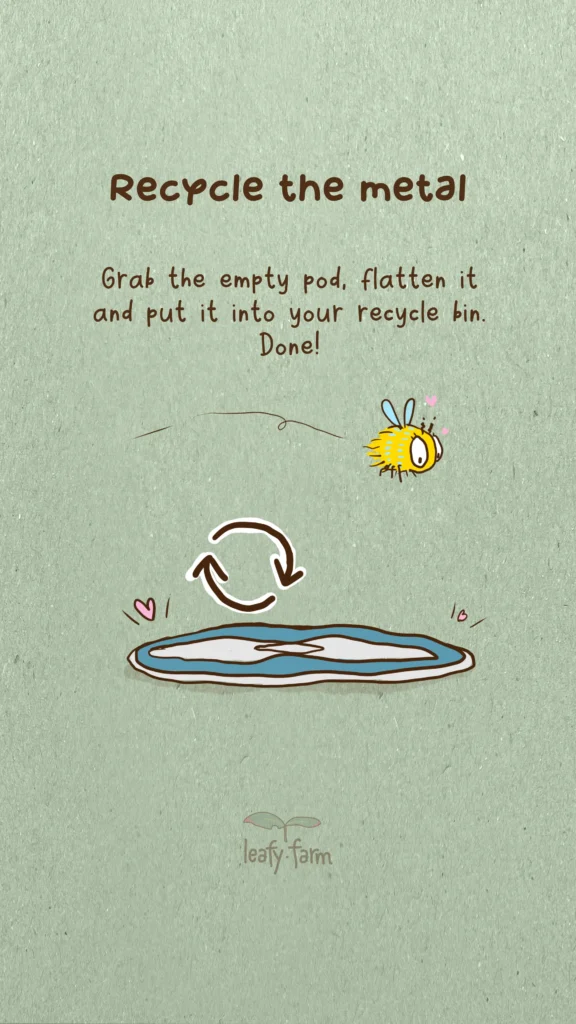
    Recycle the metal coffee pod

    Flatten your pod, I use a hammer or brick! Then put it into your metals recycle bin for repurposing. Job done!

    Leave a comment if this in on recycling your coffee pods has been helpful. 

  • How to make seaweed tea fertiliser for the garden

    How to make seaweed tea fertiliser for the garden

    Seaweed tea is an amazing fertiliser for your garden and has benefits also as a foliar spray, fertilising and protecting. The materials you need are readily available if you’re near the ocean and it’s quick to prepare. 

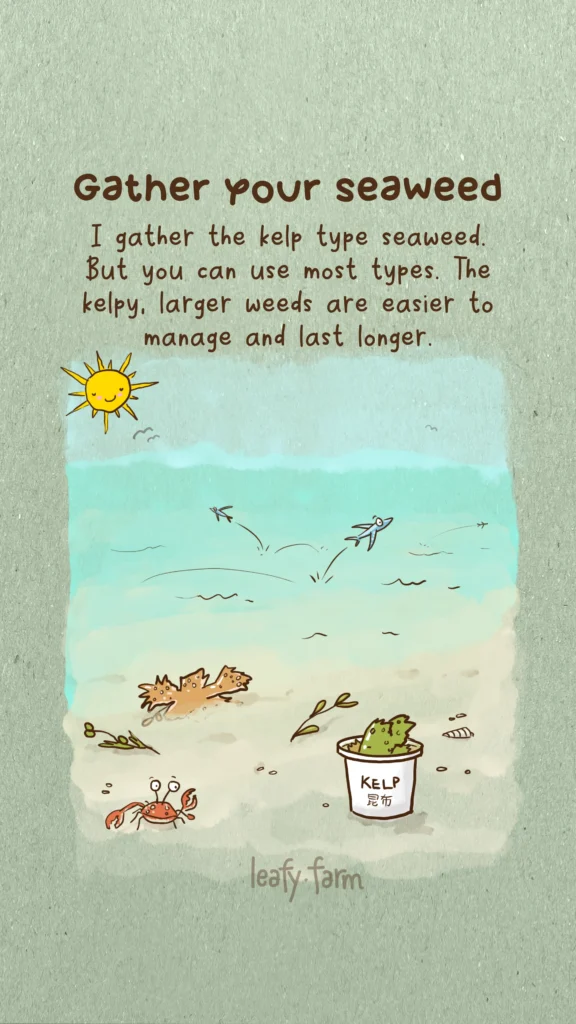
    Gather your seaweed

    Grab a bucket and hit the beach. The kelp type of seaweed works well but you can use anything. Throw it in the bucket after you’ve removed any sea creatures. 

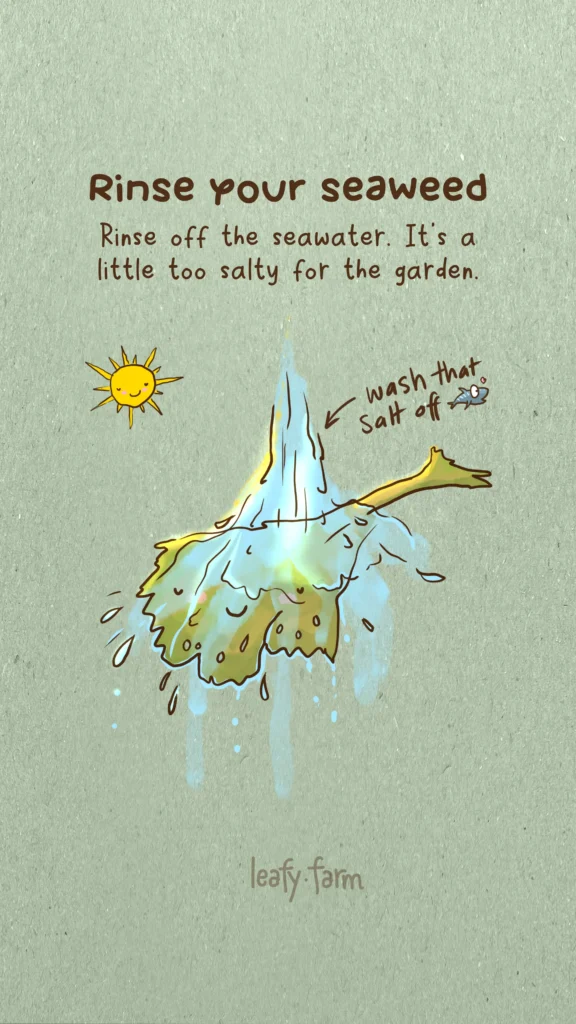
    Rinse your seaweed

    Rinse off the seaweed with fresh water. You don’t have to, but the salt can be too much for some plants. 

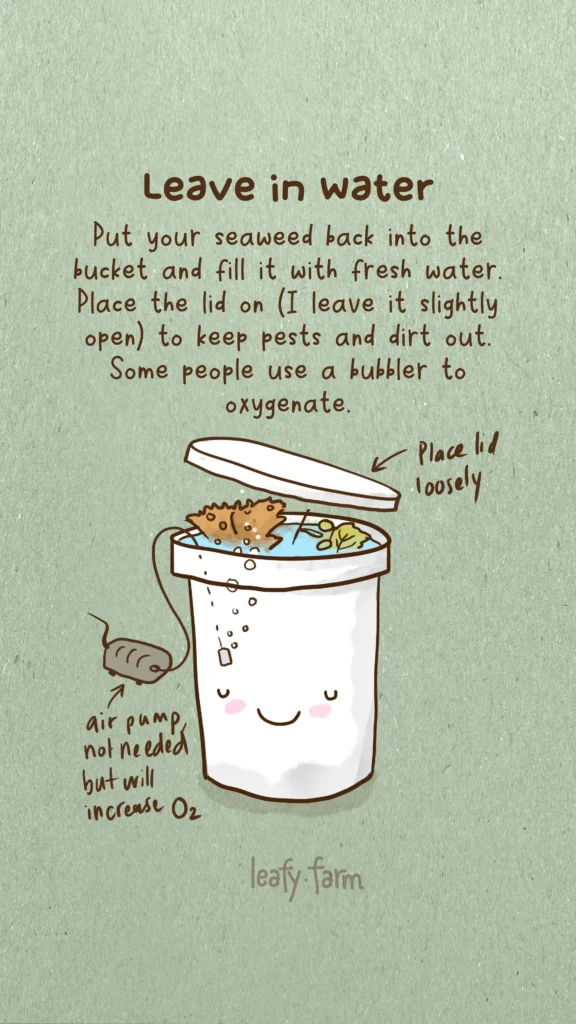
    Leave it in the water

    Put your washed seaweed back into the bucket and fill it with fresh water. Place the lid back on but leave a small gap. Aerobic steeping works faster. Adding an air pump also speeds it up, but that’s not necessary. 

    Mix your seaweed tea fertiliser

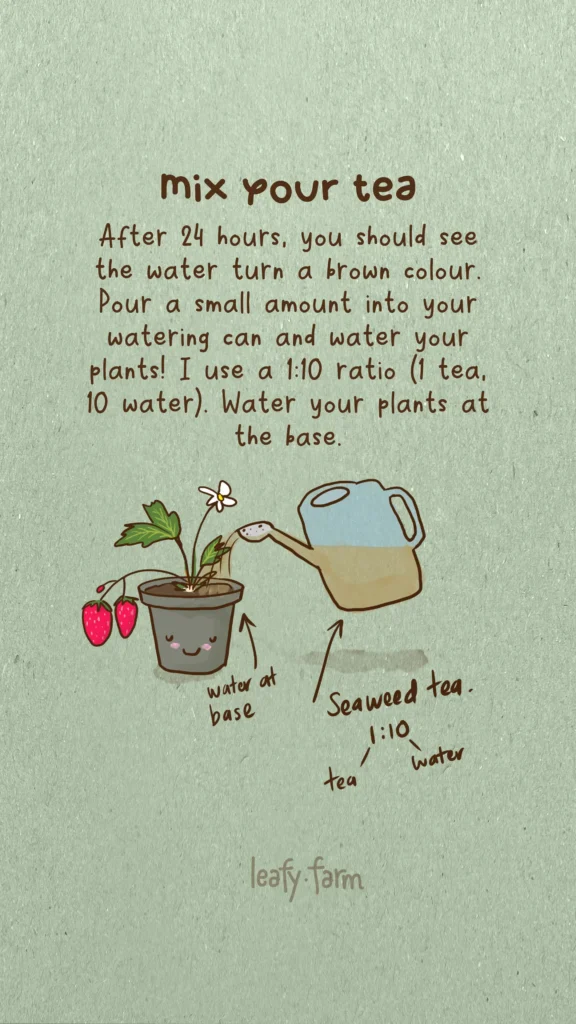
    Your water will start to discolour pretty much immediately, but after 24 hours it’s steeped enough that you can extract some and use it on the garden. 

    Put a small amount into a watering can and mix it to a ratio of 1 part tea to 10 of water. Try watering around the plants just a little to begin with. 

    Repeat the process

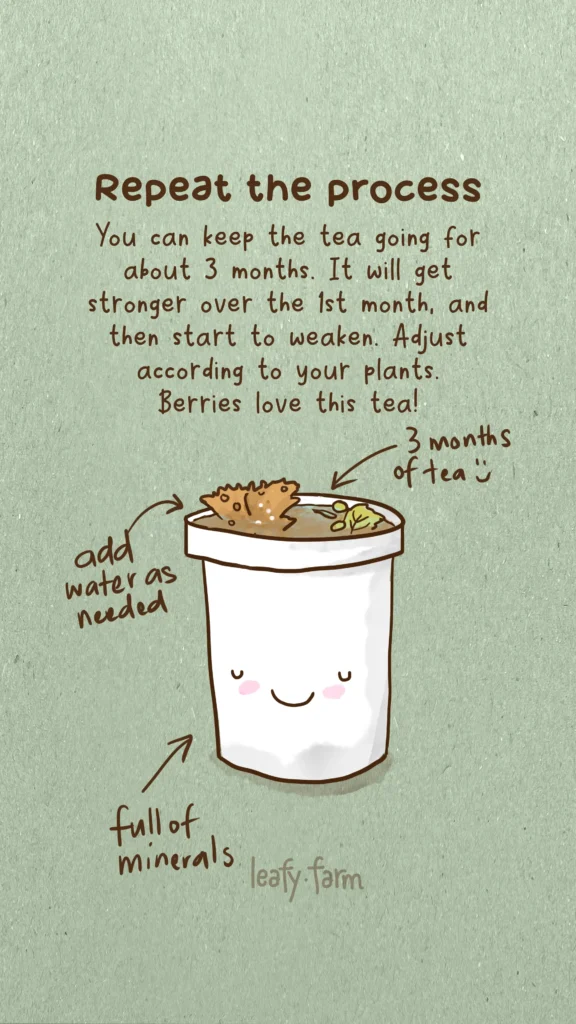
    You can keep the process going for ages. It will get stronger and stronger, so dilute it further as it ages. Test it out on your plants and see how they respond. I’ve found that berries love it!

    Drop a comment if you’ve found this useful!